
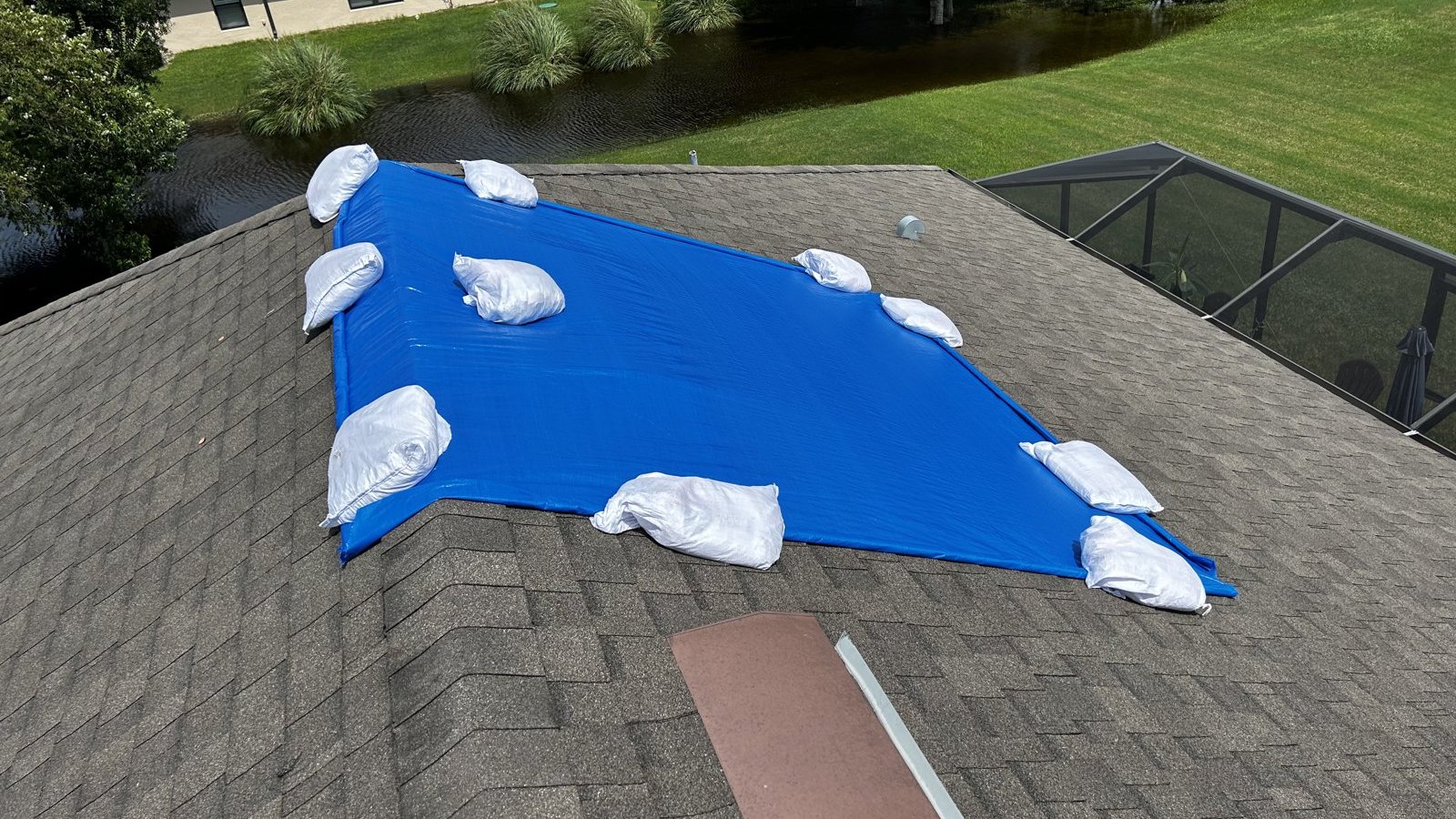
Pre hurricane vendor activation means confirming, before June 1, that your emergency roof tarping vendor can take assignments, reach policyholders and document every job the day a storm clears. Tarpers is an emergency roof tarping vendor for insurance carriers in Florida, Georgia and across the Southeast, and this playbook is the month by month checklist we suggest claims and vendor teams work through each spring and summer.
The official Atlantic hurricane season runs from June 1 through November 30, and the National Hurricane Center places the peak around September 10, with most activity between mid August and mid October. That leaves carriers a clear window. Once a named storm is in the forecast cone, there is no time to onboard a vendor, test an assignment feed or settle invoicing terms.
What is pre hurricane vendor activation?
It is the work a carrier does with each mitigation vendor before the season to move that vendor from "on the list" to "ready to take assignments." It covers contacts, assignment routing, documentation standards, invoicing and surge capacity.
The goal is simple. On the first morning after landfall, every assignment your team sends should go to a vendor that already knows your process, your systems and your people.
What should carriers confirm with tarping vendors in May?
May is for paperwork and plumbing. These items take the longest to fix, so they come first.
- Agreements and documents. The current vendor agreement and every document your program requires are on file and up to date.
- Named contacts. Each side has a named contact and a backup for assignments, escalations and billing, with phone numbers that are answered during a storm.
- Assignment routing. Tarpers receives assignments through Xactware and Symbility as well as by email and phone. Send a test assignment through the exact channel your adjusters will use and confirm it lands.
- Documentation expectations. Photo counts, angles, measurements and the way reports reach your claims system are written down, not assumed.
- Invoicing path. Tarpers invoices carriers directly, which keeps policyholders out of the payment loop and keeps billing in one place.
Our post on vendor onboarding standards covers the onboarding side in more detail.
What should carriers confirm in June?
June opens the season, so it is the month to test capacity and logistics rather than paperwork.
- Crew capacity. Ask each vendor how many crews it can field in the first week after a storm and how it adds crews after that.
- Staging plan. Ask where crews wait before landfall. Tarpers tracks forecasts, then stages teams and equipment in safe locations near the expected impact zone so crews can enter once local authorities allow it. The full process is on our catastrophe response page.
- Materials. Confirm tarps and anchoring supplies are on hand and that the vendor has a restocking plan. Tarpers anchors tarps without nails, using TarpBags® or sandbags chosen by roof type and job logistics.
- Service windows. Agree on working hours and contact times. Tarpers runs emergency service dawn to dusk, 7 days a week, and contacts policyholders within hours of receiving an assignment.
What should carriers confirm in July?
July is for rehearsal, because the busiest stretch of the season usually starts in August.
- Run a tabletop exercise. Pick a hypothetical storm, a landfall date and a set of counties. Walk through who sends assignments, in what volume, and how status comes back to your desk.
- Set the surge reporting cadence. Agree on a daily update format and time for heavy weeks. Our guide to daily communication cadence shows what a workable rhythm looks like.
- Review last season's numbers. Look at time to contact, time to install, documentation completeness and reinspection results. The KPIs that matter most is a good starting list.
- Confirm escalation. Know exactly who at the vendor answers when an assignment stalls, and how fast.
How fast can an activated vendor deploy after a hurricane?
An activated vendor can start as soon as conditions are safe, because the setup work is already done. Tarpers crews mobilize within hours of a catastrophic event declaration and keep working, with rotating crews, until immediate roof protection needs are met.
Scale matters as much as speed. Tarpers has handled more than 1,000 tarp assignments across seven named storms, including more than 475 assignments in under two months after Hurricane Milton.
Why does activation timing affect claim cycle time?
Every day a damaged roof stays open is another day rain can reach the interior. A vendor that is already set up can contact the policyholder, install the tarp and return documented photos without waiting on contracts, logins or billing questions.
That head start shows up in cycle time and in fewer supplements tied to interior water damage. Our cycle time benchmarks post covers how carriers track it.
What documentation should be agreed before the season?
Agree on the documentation package before the first storm, not during it. A useful standard includes before, during and after photos, roof measurements, materials used and a report that lands in your claims system.
Tarpers photographs each installation in real time and submits a report with photos, measurements and material costs to the carrier's claims system. See our photo documentation standards for the detail adjusters look for.
Should a carrier activate one tarping vendor or several?
Many programs keep a primary vendor and a backup for each region. The more states one vendor can serve, the fewer contacts, contracts and documentation standards your team has to manage when a storm crosses state lines.
Tarpers serves Florida statewide from its South Daytona headquarters and deploys crews to Georgia and other southeastern states during catastrophe events. Our post on why a multi state mitigation vendor matters covers the tradeoffs, and how carriers choose an emergency tarping vendor walks through the selection criteria.
Where can claims teams find more preparation resources?
Industry groups such as the Property and Liability Resource Bureau (PLRB) publish claims education and conference material that many carriers use in their annual planning. Pair that with the National Hurricane Center's forecasts once the season is underway.
How can carriers add Tarpers before the next season?
The best time to activate a tarping vendor is before you need one. To start onboarding, review our insurance vendor program, then reach our carrier team through the insurance contact page. We will walk your team through assignment routing, documentation and direct invoicing so your program is ready before the next named storm.