
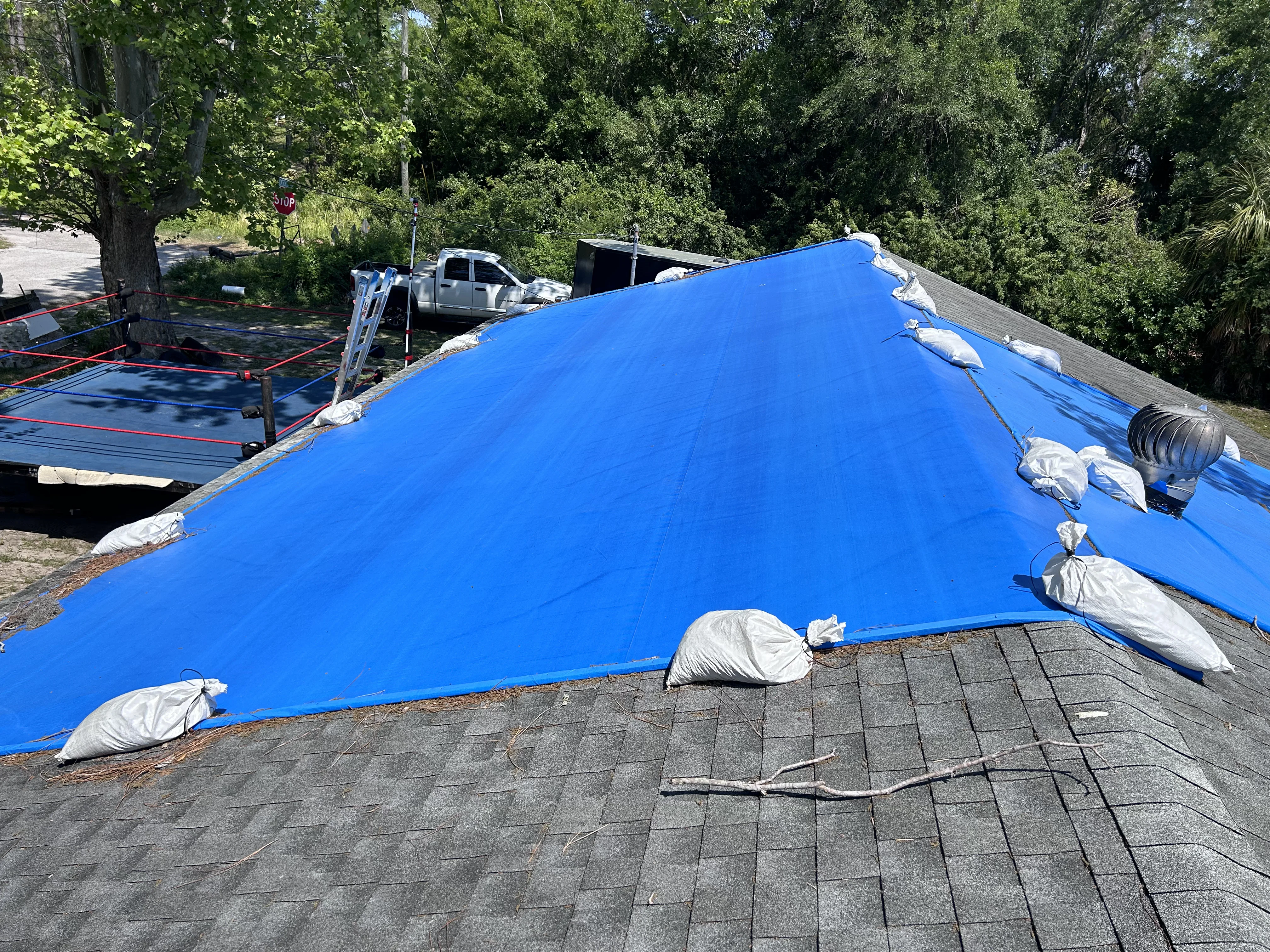
When a tarping job runs longer than a single day, the gap between what the crew knows and what the adjuster knows can grow fast. That gap creates problems: supplement disputes, missed scope changes, delayed approvals, and frustrated policyholders who feel like no one is talking to each other. A structured daily communication cadence between tarping crews and field adjusters closes that gap before it becomes a claim issue.
This isn't about adding bureaucracy to field operations. It's about giving adjusters the information they need to move claims forward, and giving crews the clarity they need to do the work right. When both sides know what to expect from each other, the whole process runs cleaner.
Why Daily Check-Ins Matter on Multi-Day Jobs
A single-day tarp deployment is straightforward. The crew arrives, documents the damage, installs the tarp using a non-destructive method, and sends the report. But when a job spans two, three, or more days, conditions change. Wind shifts. Additional damage surfaces. Material quantities shift. The adjuster who approved the initial scope may not know any of this unless someone tells them.
Without a daily cadence, adjusters often find out about scope changes after the fact, when the invoice arrives. That's when disputes start. A quick daily update, even five minutes, keeps the adjuster in the loop and gives them the chance to approve changes in real time rather than after the fact.
From a claims management standpoint, this also protects the carrier. When the vendor documents daily progress and communicates it consistently, there's a clear record of what was done, when, and why. That record supports the claim file and reduces the chance of a supplement fight later.
What a Useful Daily Update Looks Like
Not all check-ins are equal. A vague “we're still working on it” call doesn't help anyone. A useful daily update covers four things: what was completed today, what conditions or findings changed, what is planned for tomorrow, and whether any scope adjustments are needed.
For tarping operations specifically, that means reporting on how much of the roof is now covered, whether any new damage was found during installation, whether weather or access issues affected the timeline, and whether additional materials were used beyond the original estimate. If TarpBags® were deployed, the crew should note how many bags were used and where, since that detail matters for documentation and for any Xactware or Symbility line items tied to the job.
The format matters less than the consistency. Some adjusters prefer a quick phone call. Others want a text or email with photos attached. The best vendors ask at the start of the job and then deliver in whatever format the adjuster prefers.
Building the Cadence Into Crew Operations
The communication cadence has to be built into how the crew operates, not treated as an afterthought. That means the crew lead knows before the job starts that a daily update is expected, knows what information to capture, and has a simple way to send it.
At Tarpers, crew leads are trained to document conditions at the start and end of each workday. Photos go into the job file. Any scope changes get flagged immediately rather than held until the job is complete. The daily update to the adjuster is part of the close-out routine for each day on site, not a separate task that gets skipped when things get busy.
This approach works well with the documentation workflows that Symbility and Xactware-based adjusters are already using. When the crew's daily updates align with the line items and documentation fields the adjuster is working with, the claim file comes together faster and with fewer gaps.
What Adjusters Should Expect From Vendors
If you're a field adjuster or vendor manager working with tarping contractors, it's worth setting expectations at the assignment stage. Ask the vendor how they handle daily communication on multi-day jobs. A vendor with a real process will be able to tell you exactly what you'll receive and when. A vendor without one will give you a vague answer.
The photos and documentation standards that support a strong claim file depend on consistent field reporting. Daily updates are part of that. So is the ability to reach the crew lead directly if something comes up between scheduled check-ins.
For carriers and TPAs managing large volumes of claims, this is also a vendor qualification question. Vendors who communicate well on multi-day jobs create fewer supplement disputes and fewer escalations. That's a measurable operational benefit, not just a nice-to-have.
Handling Scope Changes in Real Time
The most common breakdown in crew-adjuster communication happens when scope changes. The crew finds additional damage, or weather forces a different approach, or the original material estimate turns out to be short. If the crew handles it without telling the adjuster, the adjuster finds out when the invoice is higher than expected. That's a bad outcome for everyone.
The right approach is to flag scope changes the same day they happen. A quick call or message with a photo and a brief explanation gives the adjuster the chance to approve the change before the work is done. Most adjusters appreciate this. It keeps them in control of the claim and prevents the kind of after-the-fact disputes that slow down closings.
When TarpBags are used as part of a non-destructive installation, scope changes are easier to document because the method itself is clean and reversible. There's no nail-down damage to explain, no secondary repairs to account for. The documentation is straightforward, and scope changes are easy to capture in photos and notes.
Good daily communication doesn't just help the current claim. It builds the kind of vendor-adjuster relationship that makes future assignments go more smoothly. Adjusters remember which vendors kept them informed and which ones left them guessing. Carriers and TPAs track vendor performance, and communication quality is part of that picture.
You can see examples of how Tarpers documents and communicates on active jobs in our completed projects section. The documentation standards we use on every job, including daily updates on multi-day work, reflect the kind of operational discipline that insurance professionals expect from a preferred vendor.
If you're evaluating tarping vendors for your carrier or TPA network, call us at (833) 365-TARP. We're happy to walk through our process and answer specific questions about how we work with adjusters in Florida and across the Southeast.
Partner With Tarpers
Whether you are an insurance carrier, a TPA, or an adjuster looking for reliable non-destructive tarping vendors, we are here to help. Get in touch with our team.