
When a carrier adds a new emergency tarping vendor to their program, the first 60 days set the tone for everything that follows. Response times, documentation quality, claim cycle efficiency, and adjuster confidence all trace back to how well that vendor was brought into the program. A rushed or informal onboarding process creates gaps that show up later as disputed invoices, incomplete photo files, and missed SLA windows.
This post walks through a practical onboarding framework for carrier programs adding a new mitigation vendor, with a focus on what actually matters operationally.
Why the First 60 Days Matter
Vendor activation is not just a paperwork exercise. It's the window where expectations get set, communication protocols get established, and the vendor learns exactly how your program operates. Carriers that treat onboarding as a formality tend to see higher rates of documentation deficiencies and billing disputes in the first six months of a new vendor relationship.
A structured onboarding process reduces that friction. It gives the vendor a clear picture of your documentation standards, your preferred platforms, and your escalation paths before the first loss event hits.
Core Components of a Vendor Onboarding Framework
A solid onboarding framework for a new carrier program covers four areas: credentialing, platform access, documentation standards, and a supervised deployment period.
Credentialing and compliance should be completed before the vendor takes a single assignment. This includes license verification, insurance certificates, background check protocols for field technicians, and any state-specific contractor registration requirements. In Florida and the Southeast, licensing requirements vary by county, so this step deserves more attention than a simple checkbox.
Platform access and training means getting the vendor set up in your preferred estimating and documentation environment. If your program runs on Symbility or Xactimate, the vendor needs to be proficient before they're dispatched. Carriers using CoreLogic workflows should confirm the vendor understands how to submit photo documentation and scope notes in a format that integrates cleanly with adjuster review queues. A vendor who submits PDFs when your workflow expects structured data creates downstream delays.
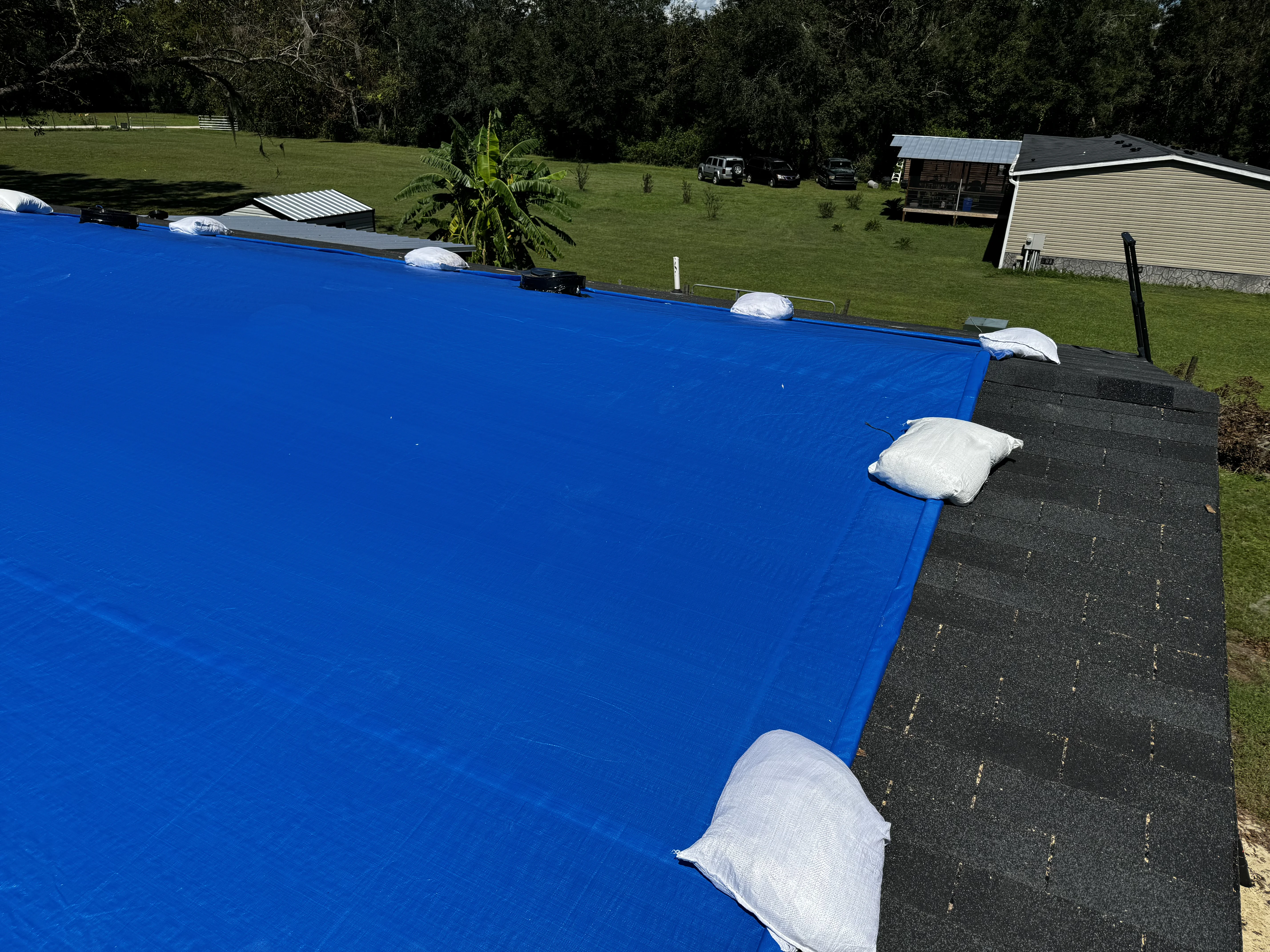
Documentation standards are where most programs underinvest. The vendor needs to know exactly what a complete file looks like: how many photos per job, what angles are required, how damage is described in scope notes, and what constitutes an acceptable before-and-after set. For non-destructive tarping specifically, the documentation standard should include pre-installation roof condition photos, installation method photos showing TarpBags® anchor points and ballast placement, and post-installation coverage confirmation shots. These aren't optional. They're what makes a claim defensible.
Supervised deployment means the first several assignments are reviewed closely. Assign a program contact who reviews documentation within 24 hours of job completion and provides direct feedback. This is the fastest way to correct habits before they become patterns.
Setting SLA Expectations Early
Response time commitments need to be explicit and written. Verbal agreements about "same-day response" don't hold up when a vendor is managing 40 active assignments after a storm event. Your onboarding documentation should specify:
- Initial contact with the insured within a defined window after assignment (commonly 2 to 4 hours)
- On-site arrival time from initial contact (commonly 4 to 8 hours for emergency tarping)
- Documentation submission deadline after job completion (commonly 24 to 48 hours)
- Escalation path when the vendor cannot meet a commitment
These numbers should match what your adjusters are telling insureds. Misalignment between carrier-promised timelines and vendor-actual timelines is a common source of insured complaints.
Platform and Billing Integration
Billing disputes are expensive for everyone. A vendor who doesn't understand your billing format will submit invoices that require manual correction, which slows payment and creates friction. During onboarding, walk through a sample invoice together. Confirm the vendor knows which line items your program accepts, how to document scope for non-standard situations, and what the dispute resolution process looks like.
If your program uses a TPA or managed repair network, the vendor also needs to understand that relationship. Who approves scope changes? Who authorizes supplements? Who is the primary contact for billing questions? These answers should be in writing before the first assignment.
For more on how Tarpers structures its program documentation, see our credentials and service history.
Ramp-Up Period and Performance Review
The vendor activation process isn't complete at day one. Build in a formal 30-day and 60-day review. At 30 days, look at documentation completion rates, SLA adherence, and any adjuster feedback. At 60 days, assess whether the vendor is operating at the level your program requires.
If performance gaps exist at 60 days, address them directly. Most gaps at this stage are process issues, not capability issues. The vendor may need additional platform training, a clearer understanding of your documentation standards, or better internal dispatch coordination. A direct conversation with specific examples is more effective than a general warning.
Vendors who complete a structured ramp-up period with consistent performance reviews tend to become long-term program partners. The investment in onboarding pays back in lower dispute rates, faster cycle times, and more reliable coverage during high-volume events.
For additional context on vendor performance frameworks, the Property Loss Research Bureau (PLRB) publishes resources on claims management and vendor program standards that are worth reviewing.
Partner With Tarpers
Tarpers operates as a non-destructive tarping vendor in Florida and the Southeast. If you're building or refining a vendor onboarding framework for your program, we're happy to share what we've seen work. Reach out to our insurance partnerships team or call (833) 365-TARP.