
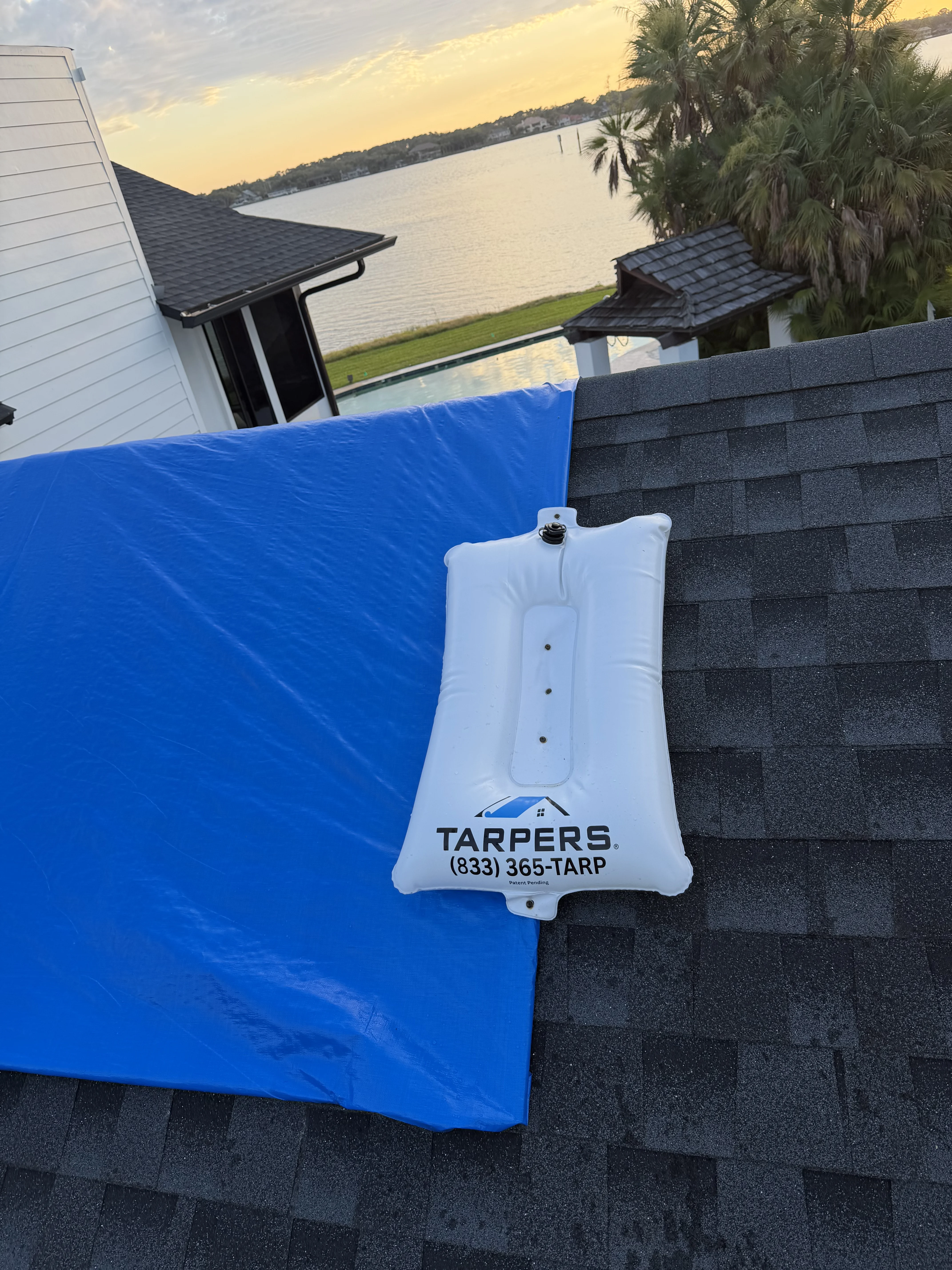
The phrase “insurance approved” gets thrown around constantly in the emergency tarping world. Contractors use it in their marketing. Adjusters hear it from vendors on every storm call. But when you actually dig into what carriers require for vendor compliance, the term means something very specific, and most of what's out there doesn't meet the bar.
If you're a claims manager, adjuster, or TPA coordinating emergency mitigation, understanding what “insurance approved” actually requires will save you from supplement disputes, re-inspection headaches, and coverage complications down the road.
What Carriers Actually Look For in Approved Tarping
When major Florida carriers and national programs evaluate whether a tarping method qualifies as approved, they're not just checking whether a tarp was installed. They're looking at a specific set of criteria that protect the integrity of the claim and the structure.
The core requirements typically include: documented pre-work photos, a method that doesn't introduce new damage to the roof system, materials that meet minimum weight and UV ratings, and a workflow that produces a clear paper trail for the adjuster.
That last point matters more than most vendors acknowledge. A tarp that's installed quickly but leaves no documentation creates problems at every stage of the claim. Carriers want to see what was there before, what was done, and what the structure looks like after. Without that, you're asking the adjuster to take the vendor's word for it.
Why Nail-Down Methods Create Compliance Problems
The most common tarping method, driving nails or screws through the tarp and into the roof deck, creates a documentation and liability problem that's hard to resolve cleanly. Every penetration is a new potential leak point. Every new leak point is a potential coverage dispute.
When a carrier's field rep or re-inspector shows up after a nail-down tarp job, they're looking at a roof that now has additional penetrations that weren't there before the storm. Separating storm damage from installation damage becomes genuinely difficult. That ambiguity costs time and money for everyone involved.
Non-destructive tarping eliminates that problem entirely. The method uses weighted TarpBags® instead of fasteners, so the roof deck is never penetrated during the mitigation process. What the adjuster sees after the tarp is removed is exactly what the storm left behind, nothing more.
The Documentation Standard That Separates Compliant Vendors
Insurance-grade mitigation isn't just about the physical method. It's about the documentation workflow that supports the claim from first notice of loss through final settlement.
Compliant vendors should be producing: timestamped geo-tagged photos at arrival, during installation, and at completion; a written scope of work that matches what was actually done; material specifications including tarp weight, TarpBags® count, and coverage area; and a signed completion report that can be uploaded directly into Symbility, Xactware, or CoreLogic platforms.
That last piece is where a lot of vendors fall short. If the documentation doesn't integrate cleanly with the estimating platform your team is using, it creates manual re-entry work and increases the chance of errors in the claim file. Tarpers builds its workflow around platform compatibility so adjusters aren't doing extra work to reconcile field reports with their desk estimates.
You can review the specific tarping method and warranty terms on the Tarpers site, or reach the insurance vendor coordination team directly.
What Florida Carriers Specifically Require
Florida's insurance market has some of the most specific requirements for emergency mitigation vendors, driven by years of post-storm litigation and the state's unique regulatory environment.
Most major Florida carriers require that emergency tarping vendors carry a minimum of $1 million in general liability coverage, maintain a documented quality control process, and use methods that don't void the manufacturer's warranty on the existing roofing system. That third requirement is where non-destructive methods have a clear advantage. Nail-down tarping can void shingle warranties, which creates a separate coverage question that nobody wants to deal with mid-claim.
The National Association of Insurance Commissioners and the Insurance Information Institute both publish guidance on emergency mitigation standards that aligns with what Florida carriers are implementing at the field level. The direction is consistently toward methods that preserve the pre-loss condition of the structure and produce verifiable documentation.
What to Ask Any Tarping Vendor Before Dispatch
Here's the practical payoff for claims teams: when a vendor's method and documentation meet carrier standards from the start, the claim moves faster. There's no re-inspection to determine whether new damage was caused by the storm or the mitigation. There's no supplement dispute over penetrations that weren't in the original scope. The adjuster gets a clean file with photos, scope, and materials documentation that matches what the estimating platform expects.
For TPAs and vendor managers coordinating across multiple claims, that consistency compounds. When every Tarpers job produces the same documentation format and the same non-destructive method, your team stops spending time chasing down field reports and starts processing claims.
Before you dispatch any emergency tarping vendor, ask three questions. First, does your method penetrate the roof deck? If the answer is yes, you're looking at a nail-down method and the documentation complications that come with it. Second, what documentation do you produce and in what format? If they can't name the estimating platforms their reports are compatible with, that's a gap. Third, what's your warranty on the installation?
Tarpers uses non-destructive weighted ballast anchoring, choosing between TarpBags® and traditional sandbags based on the job and logistics, produces platform-compatible documentation on every job, and backs the installation with a written warranty. Call (833) 365-TARP to talk through vendor compliance requirements for your program or to set up a preferred vendor arrangement for Florida and Southeast US claims. When “insurance approved” means something specific, it's worth knowing exactly what that is before the next storm season.
Partner With Tarpers
Whether you are an insurance carrier, a TPA, or an adjuster looking for reliable non-destructive tarping vendors, we are here to help. Get in touch with our team.