
Most carrier vendor programs focus on response time, documentation quality, and scope accuracy. Those are the right things to focus on. But there's a quieter cost that rarely shows up in program reviews: the financial exposure vendors carry when they're responsible for collecting deductibles or co-pays directly from homeowners.
That exposure doesn't disappear. It gets priced in somewhere, or it quietly degrades vendor performance over time.
When a mitigation vendor completes emergency roof tarping and then has to chase a homeowner for payment, a few things happen. The vendor's cash flow tightens. Their accounts receivable ages. And the cost of that collection risk, whether they absorb it or factor it into their pricing, eventually lands somewhere in the program.
How Vendors Price Collection Risk Into Their Rates
Vendors aren't charities. If they're expected to carry homeowner collection risk, they'll account for it. The most common approach is to build a margin buffer into their standard rates, essentially charging carriers more per job to offset the expected percentage of homeowner non-payment.
This is rational behavior, but it means carriers are indirectly subsidizing a collection function that has nothing to do with the quality of the tarping work itself. You're paying a premium for a financial service you didn't ask for and can't easily audit.
The alternative, vendors who don't price in the risk, tends to produce a different problem. Undercapitalized vendors operating on thin margins are more likely to cut corners on materials, skip documentation steps, or delay response when cash flow is stressed. The connection between vendor financial health and field performance is well-documented in the mitigation industry, even if it rarely surfaces in carrier program reviews.
The Deductible Collection Problem in Practice
Homeowner deductible collection is genuinely difficult. After a storm event, homeowners are stressed, sometimes displaced, and often confused about what they owe and when. A mitigation vendor showing up to tarp a roof is not in a strong position to also serve as a collections agent.
Disputes are common. Homeowners contest the scope, the timing, or the amount. Some simply don't pay. The vendor is left holding an aged receivable with limited recourse and few practical options for recovery.
For carriers, the downstream effect is subtle but real. Vendors who are owed money by homeowners have a financial incentive to document scope in ways that support their own collection position, not necessarily in ways that align with the carrier's claims workflow. That misalignment can create friction in Symbility or Xactware reviews, slow down supplement approvals, and add cycle time to claims that should close quickly.
What Direct-Pay Models Change
When a carrier or TPA pays the vendor directly, the collection risk disappears from the vendor's balance sheet. The vendor does the work, submits documentation, and gets paid. There's no homeowner collection step, no aged receivable, and no margin buffer built into the rate to cover expected non-payment.
This structure changes vendor behavior in measurable ways. Vendors operating under direct-pay arrangements tend to invest more in documentation quality because their payment depends on it. They're more likely to use non-destructive installation methods, because carriers who pay directly also tend to specify method requirements. And they're more likely to maintain consistent response times, because their relationship is with the carrier program, not with individual homeowners who may or may not pay.
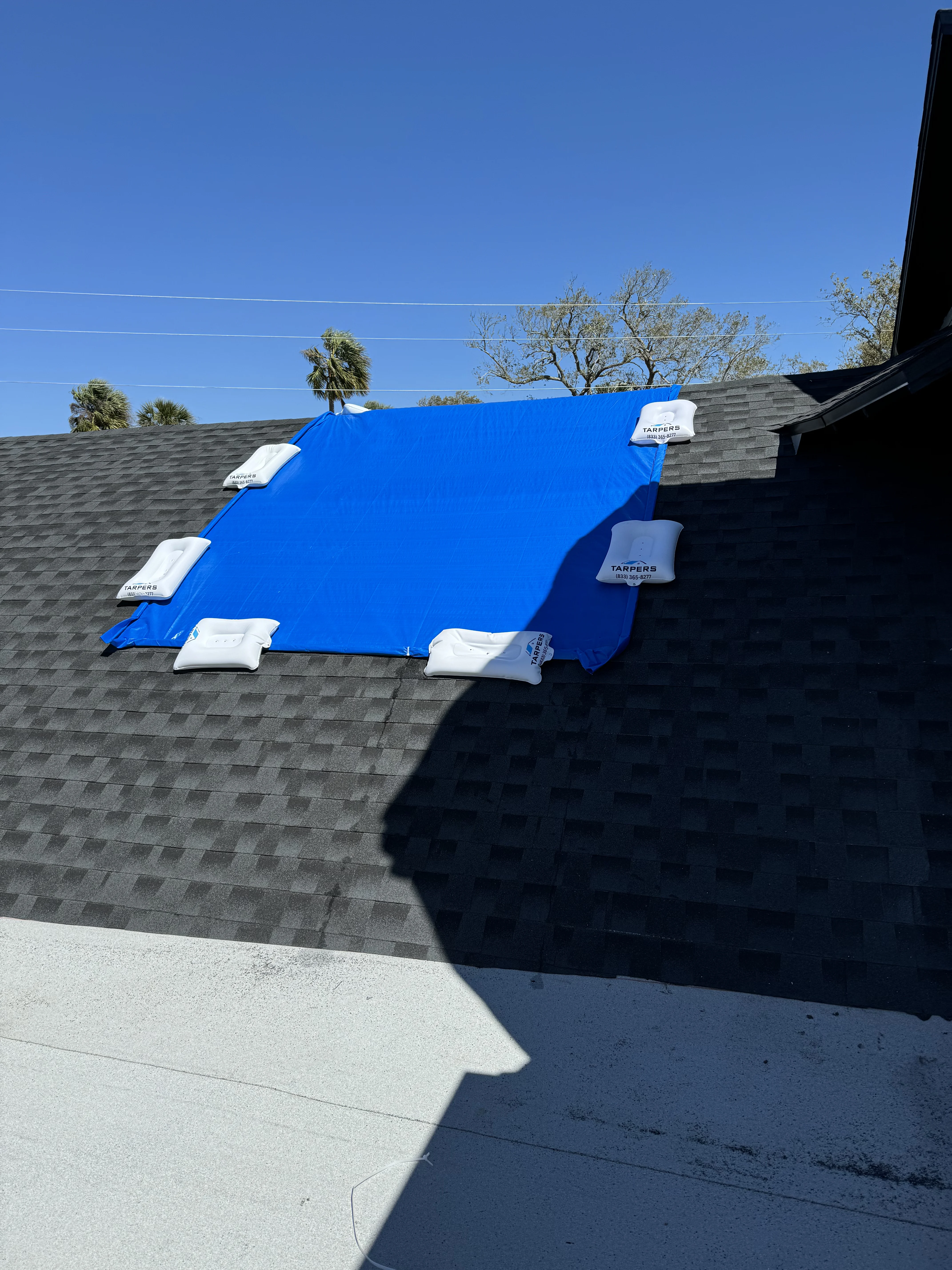
TarpBags® is built around this model. Carriers and TPAs pay directly for the tarping service. Homeowners aren't in the payment chain. That means the vendor's financial health isn't tied to collection outcomes, and the rates reflect actual service costs rather than a blended rate that includes collection risk premium.
Documentation Quality and the Payment Cycle
There's a direct relationship between how vendors get paid and how they document their work. Vendors chasing homeowner payments have an incentive to document in ways that support their collection position. Vendors paid directly by carriers have an incentive to document in ways that support clean claims processing.
For adjusters working in Symbility or Xactware, this distinction matters. Clean, carrier-aligned documentation means fewer back-and-forth cycles, faster supplement reviews, and less time spent reconciling vendor invoices against field conditions. The payment model upstream of the claim affects the documentation quality downstream.
Non-destructive tarping methods also play into this. When a vendor uses a non-destructive installation, the roof deck is preserved for inspection. There's no question about whether the vendor caused additional damage. That clarity reduces disputes and supports faster claim closure, which is good for everyone in the workflow.
What to Ask Your Vendor Program
If you're evaluating mitigation vendors for a carrier or TPA program, the collection risk question is worth asking directly. Specifically: who bears the risk of homeowner non-payment? How is that risk priced into your rates? What happens to your response capacity when your accounts receivable ages past 60 days?
The answers will tell you a lot about how the vendor is actually operating and whether their pricing reflects real service costs or a blended rate that includes financial risk you're not aware of.
Vendors who can't answer these questions clearly, or who deflect to “we handle it internally,” are likely carrying more collection exposure than they're disclosing. That exposure will show up somewhere, either in their rates, their performance, or eventually in their ability to respond when you need them.
The Aggregate Effect on Carrier Programs
Individual vendor collection disputes are small. But across a program handling hundreds or thousands of claims per year, the aggregate effect is meaningful. Higher rates to cover collection risk, slower documentation cycles, vendor attrition when cash flow gets tight, and the occasional dispute that escalates into a claim complication all add up.
The Property Loss Research Bureau and industry groups have tracked the relationship between vendor financial stability and claims outcomes for years. The pattern is consistent: financially stable vendors with predictable payment cycles produce better claims outcomes than vendors operating under collection pressure.
Direct-pay programs, like the model Tarpers uses, address this at the source. The vendor gets paid for the work. The carrier gets clean documentation and non-destructive installation. The homeowner gets a roof that's protected without a collections call to follow.
If you're managing a mitigation vendor program and want to understand how direct-pay tarping fits into your carrier workflow, reach out to the Tarpers team at (833) 365-TARP or visit the insurance partnerships page.
Partner With Tarpers
Whether you are an insurance carrier, a TPA, or an adjuster looking for reliable non-destructive tarping vendors, we are here to help. Get in touch with our team.