
What “Defensible” Actually Means in a Property Claim File
Most adjusters know the difference between a claim file that's complete and one that's defensible. Complete means all the boxes are checked. Defensible means that if a market conduct examiner, a reinsurer, or an internal audit team pulls that file two years from now, every decision holds up on its own merits. That's a higher bar, and it's the one that matters.
Emergency mitigation documentation is one of the areas where claim files most often fall short. The work happens fast, the vendor is on-site within hours, and the adjuster is managing three other losses. By the time the file is reviewed, the mitigation scope is a line item with a photo attached and not much else. That's adequate. It's rarely defensible.
What Audit Teams Are Actually Looking For
Internal audit teams and market conduct examiners approach a claim file with a specific question: can I reconstruct the decision-making process from the documentation alone? For mitigation, that means they want to see the scope of work, the method used, the timing, and the outcome, all tied together in a way that doesn't require a phone call to the adjuster to make sense.
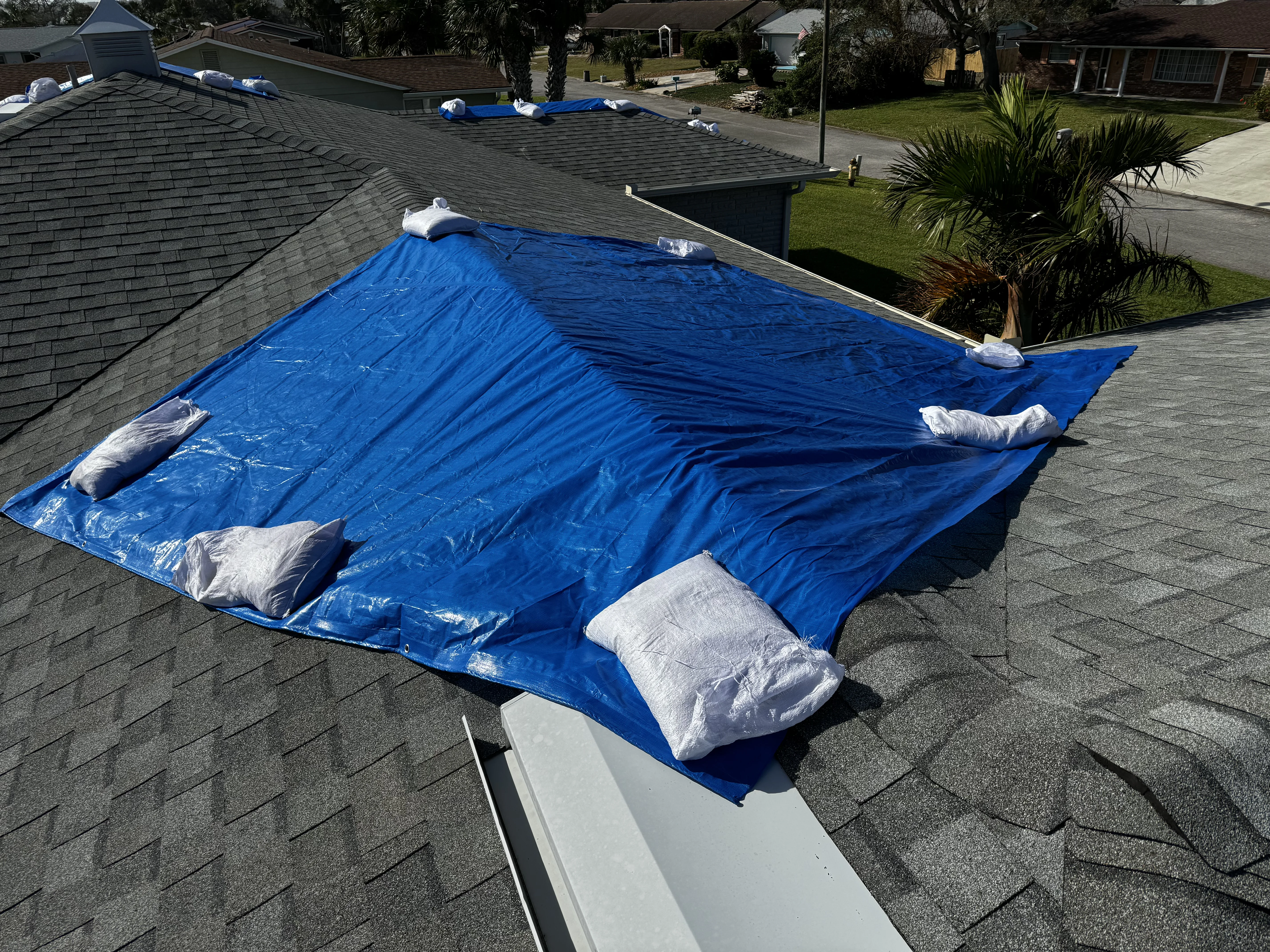
For roof tarping specifically, auditors look for a few things that vendors often don't provide by default. First, they want to see that the method was non-destructive. Nail-down tarping creates additional damage to the roof deck and shingles, which can complicate the repair scope and generate supplemental disputes. A file that shows non-destructive installation, with photos confirming no fasteners penetrated the existing surface, is much easier to defend than one that doesn't address the method at all.
Second, they want to see that the tarp was appropriate for the exposure. A single-layer poly tarp on a large commercial roof in a coastal county is a different risk profile than a ballasted, multi-layer system on a residential structure. The file should reflect that the vendor assessed the exposure and selected the right product. TarpBags® are a good example of a documented, purpose-built solution: the product itself is identifiable, the installation method is standardized, and the documentation is consistent across jobs.
Third, they want timestamps. Not just a date of service, but a timeline that shows when the loss was reported, when the vendor was dispatched, when they arrived, and when the tarp was secured. Cycle time is a real audit metric, and files that can't show a clear response timeline create questions that are hard to answer after the fact.
The Line Between Adequate and Defensible
Adequate documentation gets the claim closed. Defensible documentation gets the claim closed and survives scrutiny. The difference usually comes down to three things: specificity, consistency, and traceability.
Specificity means the file describes what was done, not just that something was done. “Roof tarped” is not specific. “Non-destructive ballasted tarp system installed over 1,200 sq ft of damaged field shingles, ridge cap, and exposed decking at the northeast quadrant, with weighted TarpBags securing all perimeter edges” is specific. The second version tells the auditor exactly what happened without requiring them to interpret a photo.
Consistency means the documentation matches across all file components. The vendor invoice, the field photos, the adjuster notes, and the estimate should all describe the same scope. When they don't, auditors flag it. When they do, the file moves through review without friction.
Traceability means every decision has a visible reason. Why was this vendor selected? Why was this scope approved? Why was the tarp replaced at day 30 rather than day 45? These questions come up in audits, and the answers need to be in the file, not in someone's memory.
How Vendor Operations Affect Your File Quality
The quality of your claim file documentation is partly a function of the vendors you use. A vendor with a standardized documentation workflow, consistent photo protocols, and clear scope descriptions makes your job easier. A vendor who submits a one-page invoice with three photos makes it harder.
When evaluating mitigation vendors, it's worth asking what their documentation package looks like before you need it. Do they provide timestamped photos at arrival, during installation, and at completion? Do they document the method, not just the result? Do they use identifiable, auditable products? Do they provide a scope narrative that matches their invoice line items?
Vendors who operate with claims-friendly documentation practices are easier to work with at every stage of the claim, from initial approval through supplement review to audit. The insurance vendor partnerships page covers what to look for when building a preferred vendor list.
Practical Steps for Stronger Mitigation Documentation
If you're looking to tighten up mitigation documentation across your book, a few practical changes make a real difference. First, require vendors to submit a photo set that includes pre-installation conditions, in-progress installation, and post-installation confirmation. This three-phase photo requirement is standard practice for defensible documentation and takes the vendor about ten minutes to execute.
Second, require a scope narrative, not just a line-item invoice. The narrative should describe the method, the materials, the area covered, and any conditions that affected the scope. This doesn't need to be long, but it needs to be specific.
Third, build cycle time into your documentation requirements. Vendors should be logging dispatch time, arrival time, and completion time on every job. It's easy to collect and hard to reconstruct after the fact.
For more on photo and documentation standards in the field, the photos and documentation guide covers the specific photo types and sequencing that hold up best in audit. PLRB and NAIC also publish useful frameworks for understanding what market conduct examiners look for in claim file reviews.
Getting the Documentation Right from the Start
Defensible claim documentation isn't about creating more paperwork. It's about capturing the right information at the right time so the file tells a complete story without anyone having to fill in the gaps later. For emergency mitigation, that means a vendor who shows up fast, uses a non-destructive method, documents the work thoroughly, and submits a scope that matches the photos.
TarpBags and the non-destructive installation method are designed to support exactly that kind of documentation. The product is identifiable, the method is consistent, and the scope is easy to describe in terms that hold up in audit. If you're building out your preferred vendor list or reviewing your mitigation documentation standards, reach out to the insurance contact team or call (833) 365-TARP.
Partner With Tarpers
Whether you are an insurance carrier, a TPA, or an adjuster looking for reliable non-destructive tarping vendors, we are here to help. Get in touch with our team.