
Selecting an emergency tarping vendor sounds straightforward until you're the one fielding calls at 2 AM after a Category 2 makes landfall across Volusia County. The vendor you've approved matters more than the contract language. Twelve criteria separate a reliable mitigation partner from a liability waiting to happen.
Licensing, Insurance, and Compliance Baseline
Start here. A vendor without a current general contractor license in the states they serve is a subrogation problem before the first tarp goes up. Verify active licensure, general liability at $1M per occurrence minimum, and workers' comp with no exclusions for roofing work. Ask for certificates of insurance naming your carrier as additional insured. If they hesitate, move on.
Method compliance matters too. Vendors using non-destructive tarping protect your insured's roof from secondary damage caused by the mitigation itself. Nail-down methods void manufacturer warranties and create disputes that outlast the original claim. A vendor who can't explain the difference between non-destructive and nail-down tarping hasn't been trained to the standard your program should require.
Platform Integration and Documentation Standards
Your adjusters work in Xactware, Symbility, or CoreLogic. Your vendor should too. Ask whether they can deliver photo documentation, scope notes, and line-item estimates in a format that imports cleanly into your platform of choice. Vendors who submit handwritten invoices or PDF scans create manual re-entry work that slows cycle time and introduces errors.
The best vendors deliver a timestamped photo set at job start, mid-install, and completion. That documentation supports your file, reduces supplement disputes, and gives you something to show a public adjuster if the claim gets contested. It's not a nice-to-have. It's table stakes for a carrier vendor program.
Response Time Commitments and Geographic Coverage
A vendor who covers all of Florida on paper but has three crews based in Tampa isn't going to reach Daytona Beach in four hours after a storm. Get specific. Ask for their crew deployment map, their average response time by county, and how they handle surge events when multiple claims activate simultaneously.
Tarpers operates across Florida and Southeast US with crews positioned for Volusia County and surrounding markets. That kind of geographic specificity matters when you're managing a CAT event and need to know which vendor can actually respond, not just which one says they can.
Non-Destructive Method Verification
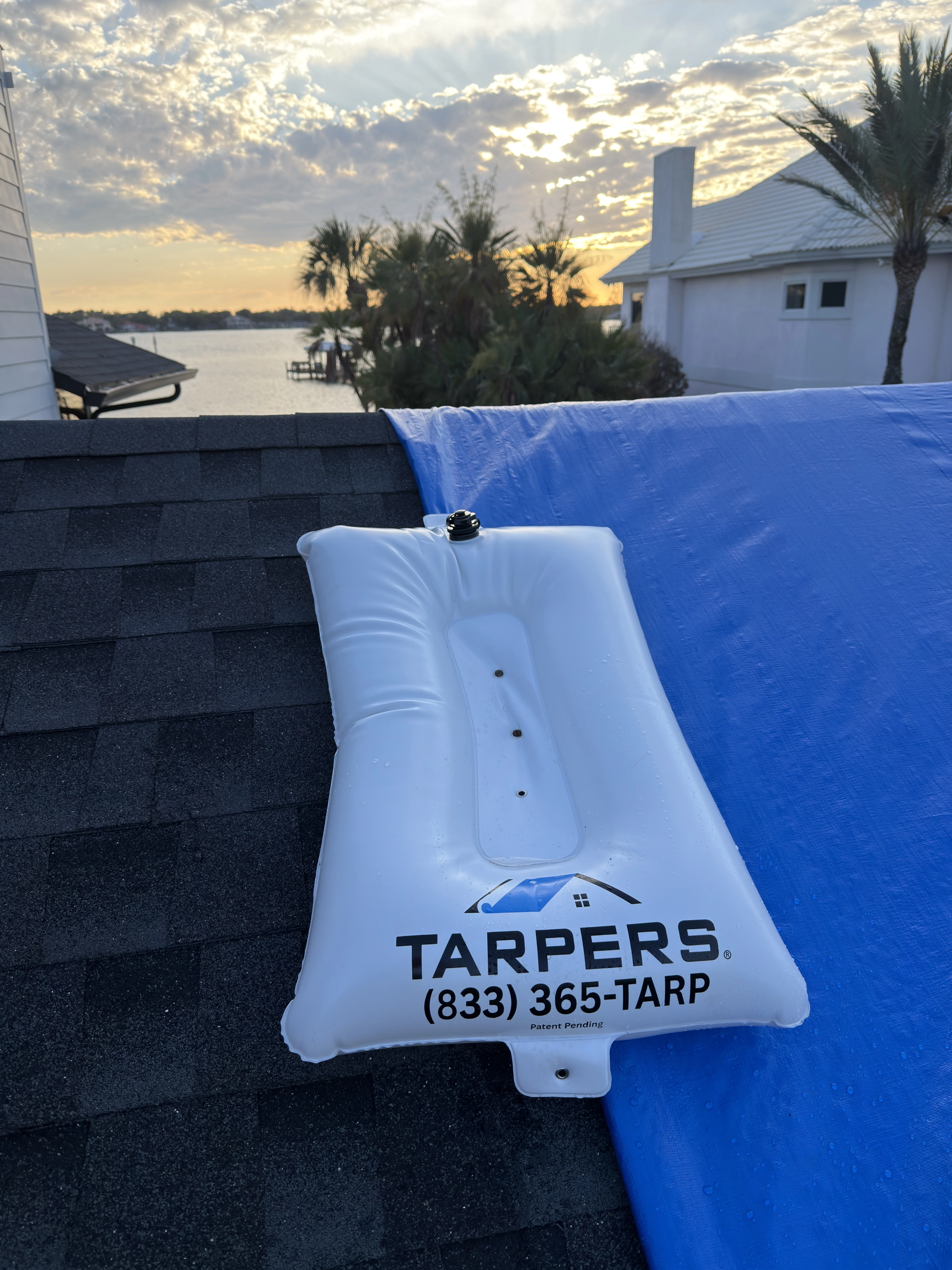
This one deserves its own line on your scorecard. Ask the vendor to describe their installation method in plain terms. If they mention screws, nails, or penetrating fasteners as the primary attachment method, that's a red flag. Non-destructive tarping uses weighted ballast systems, TarpBags®, and perimeter anchoring that doesn't compromise the roof deck.
Non-destructive methods protect your insured's existing warranty, reduce the chance of a secondary damage dispute, and keep the claim cleaner. Vendors who default to nail-down because it's faster are optimizing for their own efficiency, not your program's outcomes. Check our warranty documentation for the standard we hold ourselves to.
Pricing Transparency and Xactimate Alignment
Surprise invoices after a job create friction with insureds and slow your payment cycle. Ask vendors whether they price to Xactimate or Symbility line items, and whether they'll provide a written estimate before work begins on non-emergency situations. For emergency deployments, ask for a rate card with per-square pricing, mobilization fees, and any after-hours surcharges spelled out in advance.
Vendors who can't give you a rate card are vendors who'll negotiate every invoice. That's not a partnership. That's a recurring dispute.
Quality Control and Warranty Terms
What happens when a tarp fails? A vendor with no warranty process puts that conversation back on your desk. Ask for their standard warranty terms in writing. Ask who the insured calls if there's a leak after installation. Ask whether the vendor will return for a re-inspection at no charge if the tarp shifts before the permanent repair is completed.
Tarpers backs installations with a documented warranty process. You can review the specifics at our warranty page. That kind of accountability is what separates a vendor program partner from a one-time subcontractor.
Crew Training and Certification Records
Ask whether crews are W-2 employees or 1099 subcontractors. Ask whether they carry the vendor's insurance or their own. Ask whether the vendor can produce training records for the crews they deploy. Subcontractor chains with no training documentation are a workers' comp and liability exposure that lands on your file if something goes wrong on the roof.
The Insurance Institute for Business and Home Safety and Property Loss Research Bureau both publish guidance on mitigation standards. Vendors who reference those standards in their training materials are vendors who take the work seriously.
Scoring Your Vendor Candidates
Run each candidate through these twelve criteria and assign a score of one to three on each. Weight licensing and method compliance highest. Weight platform integration and response time next. Pricing transparency and warranty terms round out the bottom tier, not because they're unimportant, but because a vendor who fails the top criteria won't get to the invoice stage anyway.
A vendor who scores above 30 out of 36 is worth a pilot program. Below 24, keep looking. The achievements and track record of a vendor tell you more than their sales pitch.
Building the Vendor Program Relationship
The best vendor relationships aren't transactional. They're built on consistent documentation, predictable pricing, and a shared understanding of what a clean claim looks like. Vendors who invest in that relationship will flag potential issues before they become supplements, communicate proactively during CAT events, and treat your insureds the way you'd want them treated.
If you're evaluating emergency tarping vendors for a carrier or TPA program in Florida or the Southeast, call Tarpers at (833) 365-TARP or visit our insurance vendor page to discuss program fit. We're built for this work.
Partner With Tarpers
Whether you are an insurance carrier, a TPA, or a vendor manager building out your emergency mitigation program, we are ready to discuss program fit. Get in touch with our team.