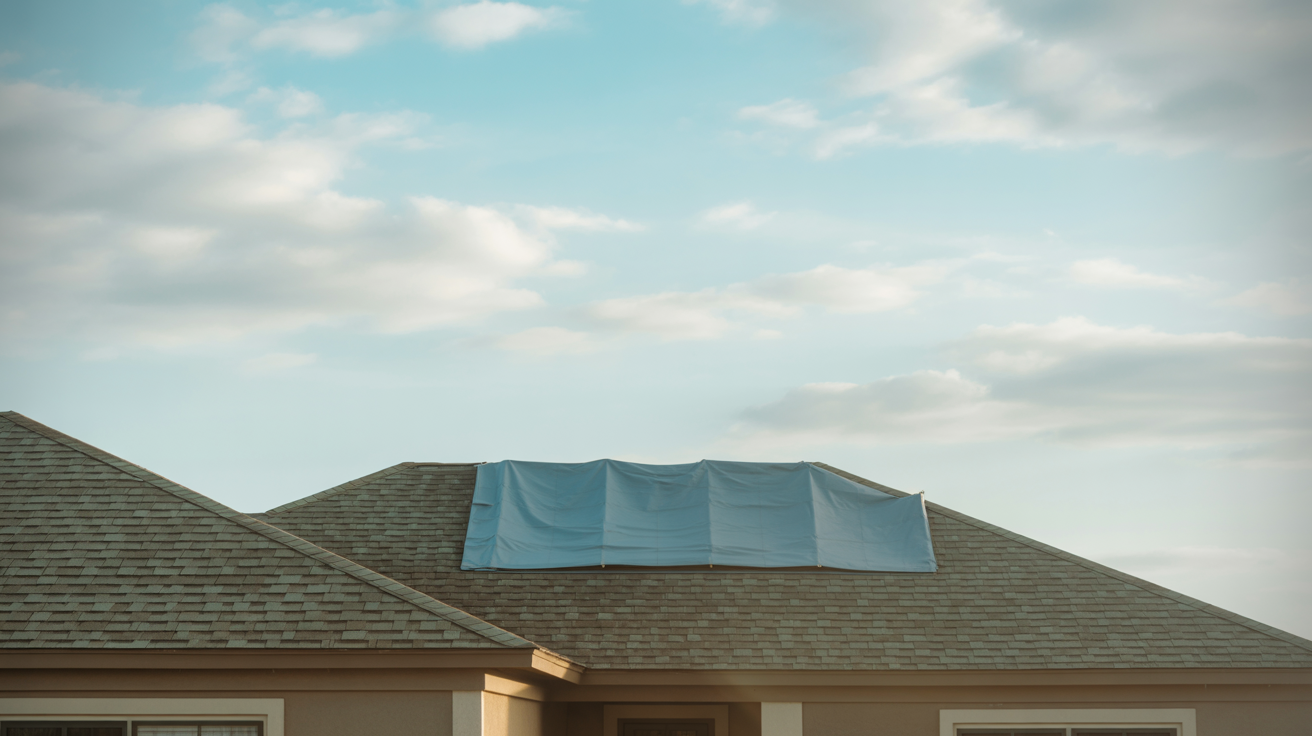
For insurance carriers, property managers, and homeowners in Florida, winter brings a noticeable shift in emergency roof tarping demand. Fewer storms, calmer weather patterns, and a general decrease in catastrophic events mean that emergency tarping companies experience what's commonly called the "slow season." But at Tarpers, we see winter as anything but idle time. It's when we sharpen our operations, refine our systems, and prepare for the inevitable storm season ahead.
Winter Weather in Florida Is Typically Calmer
Florida's winter months, roughly November through March, are characterized by significantly reduced severe weather activity. Hurricane season officially ends on November 30th, and the atmospheric conditions that produce major tropical systems shift away from the state. Cold fronts may pass through, bringing occasional rain and cooler temperatures, but the destructive wind events that cause widespread roof damage are far less common.
This natural lull in storm activity translates directly to fewer emergency tarping calls. Insurance carriers see a drop in catastrophe-related claims, property managers experience fewer urgent repair requests, and homeowners generally face less immediate roof damage. It's a predictable pattern that the entire roofing and emergency mitigation industry expects each year.
But just because the phones ring less often doesn't mean the work stops. For professional tarping companies, winter is an essential time to ensure that when the next emergency arrives, whether in spring or during the following hurricane season, we're ready to respond with speed, precision, and reliability.
Fewer Emergencies Doesn't Mean Less Preparation
The winter slow season is when Tarpers focuses on operational excellence. It's when we take the time to maintain equipment, train crews, and review the lessons learned from the previous storm season. Every tarp, every sandbag, every piece of safety gear is inspected and replaced if necessary. Our catastrophe response warehouse is restocked, organized, and ready for rapid deployment.
We also use this time to conduct training sessions for our teams. New crew members receive hands-on instruction in our non-destructive sandbag-secured tarping method, while experienced technicians refresh their skills and learn about updated carrier requirements. This ongoing education ensures that every installation meets the same high standards, whether it's in January or September.
Additionally, winter gives us the opportunity to strengthen relationships with insurance carriers and adjusters. We review platform updates for Symbility and Xactware, align our documentation practices with evolving industry standards, and ensure our processes integrate seamlessly with carrier workflows. Preparation during the quiet months directly translates to faster, more efficient service when volume surges.
Why Insurance Carriers Still Rely on Winter Readiness
Insurance carriers understand that catastrophic events don't follow strict schedules. While winter is statistically calmer, unexpected severe weather can still occur. Tornadoes, severe thunderstorms, and isolated wind events can cause significant roof damage even in December or February. When these events happen, carriers need vendors who are already prepared, not scrambling to mobilize.
That's why carriers value tarping companies that maintain year-round readiness. A vendor who uses the slow season to prepare is a vendor who can respond immediately when an off-season storm hits. At Tarpers, our commitment to winter preparation means we're never caught off guard. We maintain staffing levels, keep our equipment inspection schedules current, and ensure our supply chains are intact so that when an adjuster calls with an urgent assignment, we're ready to deploy.
This readiness also extends to claims processing. Our teams are trained to document every installation with the precision adjusters need for efficient claim reviews. Photos, measurements, and detailed reports are part of every job, regardless of whether it's a high-volume catastrophe event or a single winter emergency. Consistency in documentation builds trust, and trust is what makes long-term carrier partnerships work.
What Homeowners Should Still Watch for in Winter
While winter is generally calmer, Florida homeowners shouldn't assume their roofs are immune to problems during these months. Cold snaps, though rare, can cause materials to contract and expose weaknesses in older roofing systems. Wind events associated with frontal systems can lift shingles or tiles, and falling branches from winter storms can create punctures that require immediate attention.
Aging roofs are particularly vulnerable during winter. Years of sun exposure and previous storm damage may have weakened structural integrity, and even a moderate wind event can be enough to cause leaks. Homeowners should conduct visual inspections after any significant weather event, looking for missing shingles, exposed underlayment, or visible gaps where water could enter.
If damage is discovered, the same principles apply as during hurricane season: document the damage with photos, contact your insurance carrier, and arrange for emergency tarping to prevent secondary water intrusion. Even in winter, unprotected roof openings can lead to water intrusion, interior damage, and escalating repair costs. Acting quickly minimizes claim complexity and protects your home.
How Tarpers Uses the Winter Season to Stay Ready
At Tarpers, winter is when we fine-tune our operations. Our teams conduct equipment audits, ensuring every truck is stocked with tarps, sandbags, furring strips, and safety gear. We review deployment routes, update contact lists, and confirm partnerships with material suppliers. These behind-the-scenes efforts don't generate headlines, but they're the foundation of reliable emergency response.
We also use the slower pace to invest in process improvements. Feedback from adjusters and property managers is analyzed, and we implement changes that make our service more efficient and easier to work with. Whether it's refining our photo documentation process or improving communication protocols, winter is when we make the small adjustments that add up to better service during peak season.
This disciplined approach to off-season preparation is what separates professional emergency mitigation companies from those who only show up when the phone is ringing. It's not about being busy for the sake of being busy. It's about being ready when it matters most. And for insurance carriers and homeowners who rely on us, that readiness is the difference between a controlled mitigation effort and a chaotic scramble.
What This Means When Storm Season Returns
When spring arrives and storm activity begins to increase, the value of winter preparation becomes immediately apparent. Companies that spent the off-season maintaining their operations can deploy faster, execute installations more reliably, and handle higher volumes without compromising quality. Those that didn't prepare spend the critical early weeks of storm season catching up: ordering supplies, hiring crews, and working through operational issues that should have been resolved months earlier.
For Tarpers, the transition from winter to spring is seamless. Our crews are trained, our equipment is ready, and our carrier relationships are strong. When the first major storm of the season hits, we're not scrambling. We're executing the same proven processes we've been preparing all winter. That consistency is what allows us to serve eight states across the Southeast and maintain the same high standards whether it's a single emergency or a multi-state catastrophe deployment.
Insurance carriers appreciate this reliability because it reduces uncertainty during high-stress events. They know that when they assign a tarping job to Tarpers, it will be completed professionally, documented thoroughly, and reported promptly. Homeowners benefit because their homes are protected quickly and correctly, minimizing secondary damage and accelerating the recovery process. Everyone wins when emergency vendors treat preparation as seriously as they treat active response.
Final Thoughts
Winter may be slower for emergency roof tarping in Florida, but it's far from a dormant season. It's a time for preparation, training, and operational refinement. At Tarpers, we use these months to ensure that when the next storm arrives, whether it's an unexpected winter event or the start of hurricane season, we're ready to respond with the speed, professionalism, and quality that insurance carriers and homeowners depend on.
If you're an insurance adjuster, property manager, or homeowner in Florida or the Southeast, know that Tarpers remains fully operational year-round. Our commitment to winter readiness means you can count on us whenever you need emergency roof protection. For more information about our services or to discuss partnership opportunities, contact us at (833) 365-TARP or [email protected].
Need Emergency Roof Tarping?
Tarpers provides professional emergency roof tarping services year-round across Florida and eight Southeast states. Our non-destructive sandbag-secured method protects homes without causing additional damage.